The logistics industry is continuously evolving to meet the growing demands of global trade, faster deliveries, and efficient cargo movement. Businesses today require flexible transportation solutions capable of handling complex supply chains across domestic and international markets. This increasing demand has made multi-modal transportation one of the most effective and future-ready logistics strategies.
1What Is Multi-Modal Transportation?
Multi-modal transportation refers to the movement of cargo using multiple modes of transport such as sea, air, road, and rail within a single logistics operation. Instead of depending on one transportation method, businesses can combine different networks to optimize delivery speed, cost efficiency, and operational flexibility.
2Improved Efficiency Through Multi-Modal Logistics
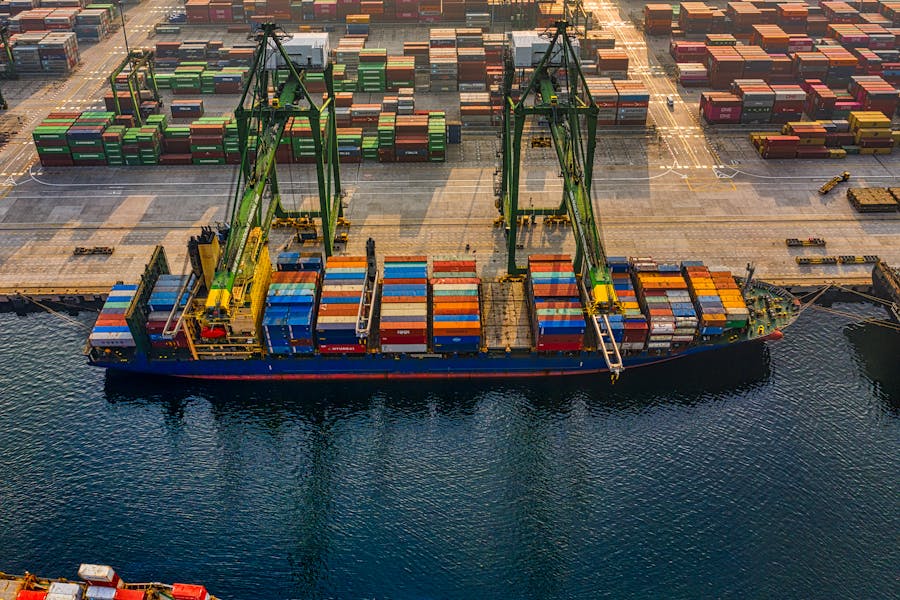
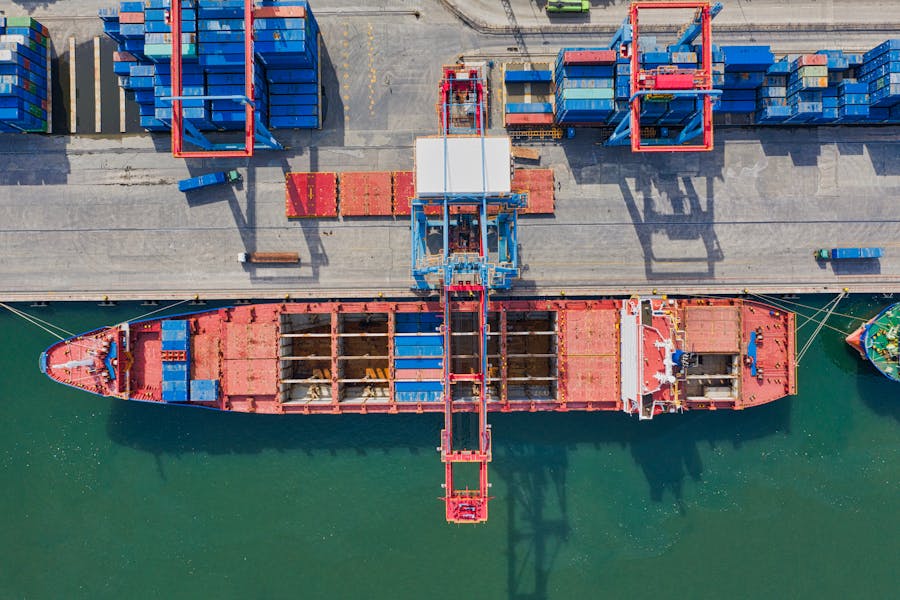
One of the primary benefits of multi-modal logistics is improved efficiency. Different transportation methods offer unique advantages depending on shipment type, distance, urgency, and cargo volume. For example, sea freight is highly cost-effective for bulk shipments, while air freight provides faster delivery for urgent cargo. Road and rail transport ensure smooth domestic connectivity and last-mile delivery support.
3Seamless Cargo Movement Across Networks
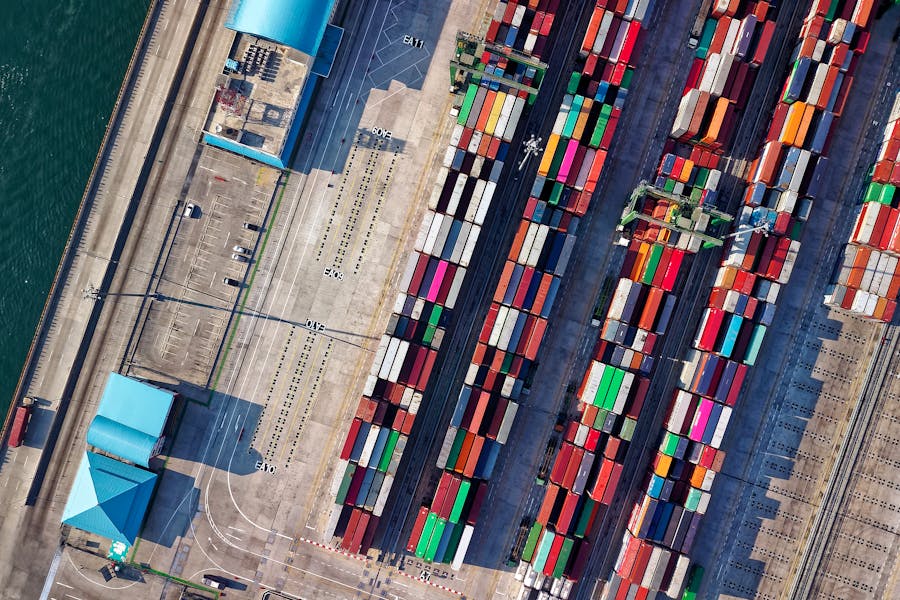
By integrating multiple transport networks, businesses can reduce transit times and improve supply chain coordination. Multi-modal logistics allows cargo to move seamlessly between ports, airports, warehouses, rail terminals, and distribution centers without unnecessary delays or handling complications.
4Cost Optimization with Multi-Modal Solutions
Cost optimization is another major advantage of multi-modal transportation. Businesses can select the most economical combination of transport services based on shipment requirements. For instance, long-distance cargo may travel by sea or rail to reduce costs, while road transportation can handle regional distribution efficiently. This flexibility helps businesses manage logistics budgets more effectively.
5Reliability in Complex Supply Chains
Reliability is also a significant factor driving the growth of multi-modal logistics solutions. Supply chains often face challenges such as port congestion, transportation delays, weather disruptions, and route limitations. Using integrated transportation networks allows logistics providers to adapt quickly and maintain cargo movement even during unexpected operational challenges.
6Benefits for Large-Scale and Specialized Cargo
Multi-modal transportation is especially beneficial for industries handling large-scale or specialized cargo. Manufacturing companies, retail businesses, automotive industries, pharmaceuticals, and project cargo operators frequently rely on integrated logistics systems to manage complex shipment requirements efficiently.
7Warehousing as Part of Multi-Modal Logistics
Warehousing and inventory management further strengthen multi-modal logistics operations. Cargo can be stored temporarily between transportation stages, improving coordination and minimizing shipment delays. Organized warehousing also supports inventory planning, packaging, labeling, and cargo consolidation.
8Technology Enhancing Multi-Modal Transportation
Technology has significantly enhanced multi-modal transportation systems in recent years. Digital tracking platforms, automated documentation, shipment visibility tools, and real-time communication systems have improved transparency across the logistics process. Businesses can now monitor cargo movement throughout every transportation stage with greater accuracy and operational control.
9Sustainability and Environmental Benefits
Sustainability is another reason why multi-modal logistics is becoming increasingly important. Rail and sea transportation often produce lower carbon emissions compared to road-only freight movement. Businesses focusing on environmentally responsible operations are adopting integrated logistics solutions to improve supply chain sustainability while maintaining operational efficiency.
Seatrans Services Pvt. Ltd. offers integrated logistics and transportation solutions including sea freight, air freight, road & rail transport, warehousing, customs clearance, and project cargo services designed to support efficient cargo movement across domestic and international trade networks.